No credit card required
 Thank you for your request. We will contact you shortly.
 Thank you for your request. We will contact you shortly.


Leveraging RTLS Asset Management for Full Visibility and Efficiency
Leveraging RTLS Asset Management for Full Visibility and Efficiency
In modern healthcare environments, ensuring that the right asset is available at the right time is critical for delivering high-quality patient care. Hospitals today manage thousands of assets across multiple departments, and even minor disruptions in asset availability can lead to workflow inefficiencies, delays in treatment, and increased operational costs.
To overcome these challenges, healthcare organizations are increasingly adopting integrated solutions that combine hospital asset tracking, asset utilization, and asset maintenance management software (Healthcare CMMS). When powered by Real-Time Location Systems (RTLS), these technologies provide complete visibility and control over hospital assets.
What Is Healthcare Asset Management with RTLS?
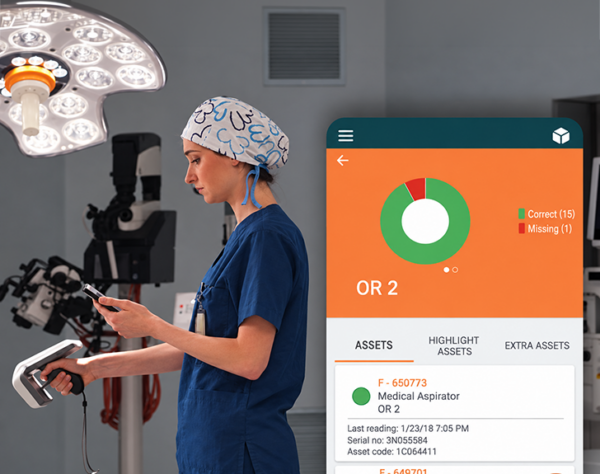
Healthcare asset management refers to a unified approach that combines asset tracking, utilization monitoring, and maintenance processes into a single, connected system. Instead of operating in silos, hospitals now rely on integrated platforms where hospital asset tracking systems and healthcare CMMS work together seamlessly.
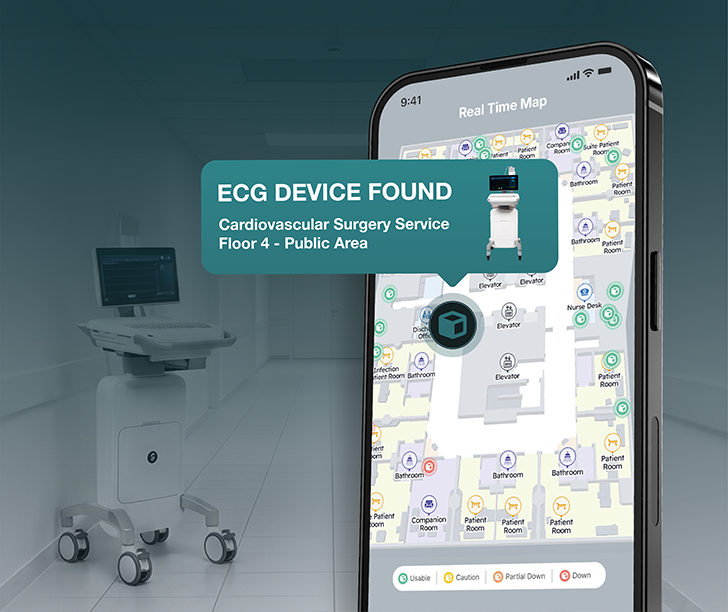
With RTLS technology, healthcare providers gain real-time insights into:
- Asset location
- Usage patterns
- Availability status (in use, idle, under maintenance, or out of service)
This continuous visibility enables faster decision-making, improved asset allocation, and uninterrupted clinical operations.
Why Hospital Asset Tracking Is Critical
In many hospitals, asset shortages are not caused by a lack of assets, but by the inability to locate them when needed. These visibility gaps create serious inefficiencies and impact both staff productivity and patient care.
When critical asset.cannot be found:
- Procedures may be delayed or canceled
- Staff waste valuable time searching for devices
- Patient safety and experience may be compromised
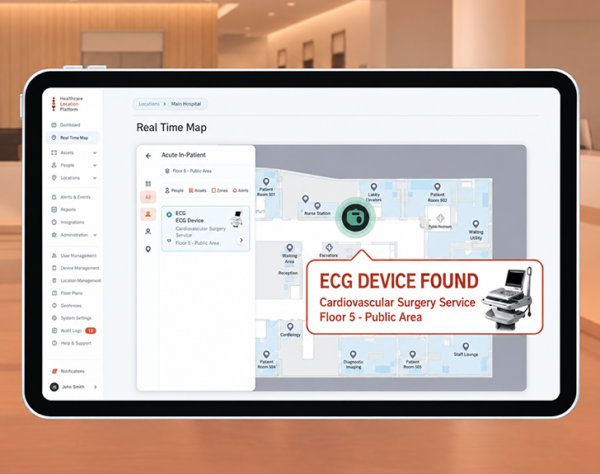
Hospital asset tracking systems eliminate these issues by providing real-time location data, ensuring that asset can be found instantly across all departments.
The Role of Asset Utilization in Operational Efficiency
While knowing the location of assets is essential, it is not sufficient on its own. Healthcare asset utilization adds a deeper layer of intelligence by showing how assets are actually being used.
By combining asset tracking with utilization data, hospitals can:
- Identify underused or overused equipment
- Reduce idle time
- Optimize asset distribution across departments
- Avoid unnecessary purchases or rentals
In many cases, assets that appear unavailable are simply sitting idle in the wrong location. With proper utilization insights, healthcare providers can ensure that every asset is used efficiently and strategically.
Enhancing Maintenance with Healthcare CMMS
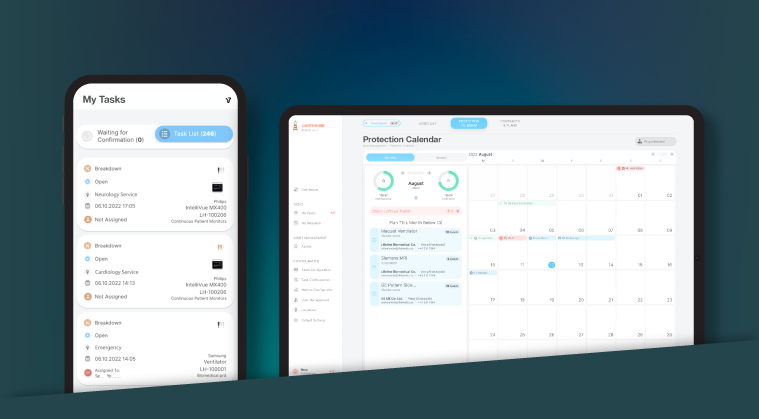
A Healthcare CMMS (Computerized Maintenance Management System) is essential for maintaining asset reliability, safety, and compliance. It enables hospitals to manage:
- Maintenance schedules
- Calibration processes
- Asset breakdowns and repairs
When integrated with RTLS-based hospital asset tracking, CMMS systems become significantly more powerful. Maintenance teams can access real-time asset location and status, reducing response times and eliminating manual coordination.
Key benefits include:
- Faster maintenance interventions
- Reduced equipment downtime
- Extended asset lifespan
- Improved regulatory compliance
Additionally, AI-supported CMMS solutions can assist technicians by providing smart recommendations and troubleshooting guidance, further enhancing efficiency.
The Impact of RTLS on Healthcare Operations
Hospitals that implement RTLS-enabled asset management systems report measurable improvements in efficiency and cost savings. These include:
- Significant reduction in asset search times
- Decrease in asset misplacement
- Improved staff productivity
- Better patient flow and care delivery
By ensuring that assets are always visible, accessible, and operational, healthcare organizations can create a more efficient and responsive care environment.
Building a Smarter Healthcare System
The future of healthcare lies in connected, data-driven systems. By integrating hospital asset tracking, asset utilization, and healthcare CMMS, organizations gain full operational transparency.
This holistic approach allows hospitals to:
- Minimize delays
- Improve workflow efficiency
- Reduce operational costs
- Enhance patient satisfaction
Take Control of Your Hospital Assets
Healthcare providers that invest in RTLS-powered asset management solutions gain a strategic advantage. With real-time visibility and intelligent insights, hospitals can ensure that every asset supports patient care when and where it is needed.
If you’re ready to optimize your hospital operations, reduce costs, and improve patient outcomes, now is the time to explore advanced healthcare asset management solutions.
Early Access Before Official LaunchLimited Spots
The 90‑Day No Cost Pilot Program.
Hospital RTLS Asset Tracking with Your Access Points.
Zero new installations. No commitment. Ready within a week.
*By sending your information, you agree to our use of your data in accordance with our Privacy Policy.
April 15, 2026