No credit card required
 Thank you for your request. We will contact you shortly.
 Thank you for your request. We will contact you shortly.


Contact Tracing using RTLS
Contact Tracing using RTLS
Infections that occur at least 48 hours after admission to the hospital or within the first 10 days after discharge are referred to as hospital infections. Hospital infections, which are a global problem, lengthen hospital stays, cause lost work, raise treatment costs, and can also have fatal consequences.
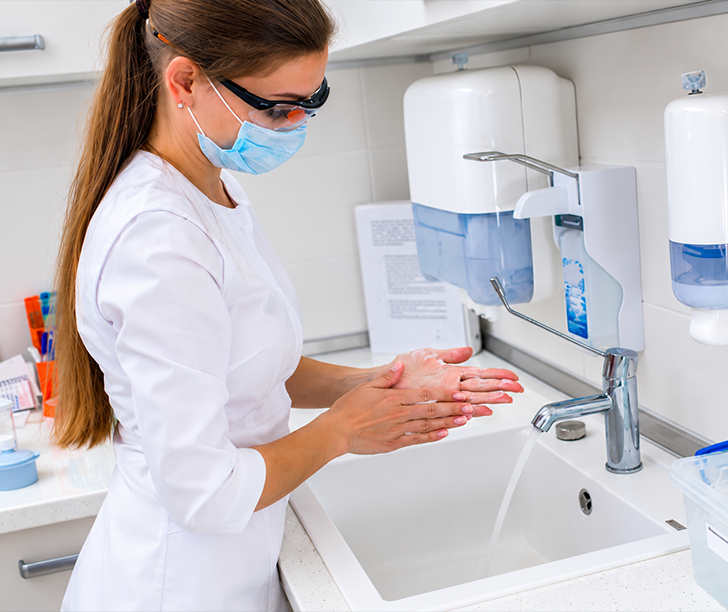
Patients in intensive care units are especially vulnerable. Prevention is the most important aspect of eliminating the source of hospital infections. MRSA, VRE, E. coli, and Klebsiella are just a few of the pathogens that can cause hospital infections. MRSA (methicillin-resistant staphylococcus aureus), the most common pathogen in hospitals, is a type of bacteria that spreads through contact and causes infections of the skin, connective tissue, bones, heart, and blood vessels. MRSA becomes dangerous when it enters vital organs like the heart and lungs. MRSA is responsible for approximately 20% of all bloodstream infections treated in hospitals. MRSA prevention is essential. Hand hygiene is critical in preventing the spread of infection.
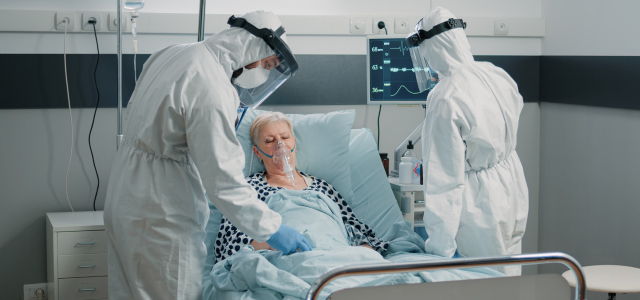
COVID-19, one of the most serious upper respiratory tract infections in recent times, has played a significant role in hospital infections. Its spread and mortality rates are higher than those of other virus-caused diseases. It is a virus that spreads through the respiratory tract. Staying in close contact and in closed environments for an extended period of time can easily spread the disease. Hand hygiene, cleaning your surroundings, and contact tracing are all critical in preventing the spread of infection.
Why do we need to control healthcare-associated infections (HAIs)?
It is important to understand the prevalence and consequences of healthcare-associated infections (HAIs), as they can have serious consequences for patients and significantly raise healthcare costs. HAIs can lengthen hospital stays, cause missed work, and raise treatment costs. As a result, it is critical to understand the factors that contribute to the risk of HAIs and to put measures in place to prevent and control these infections in order to protect patients and reduce the burden on healthcare systems. Furthermore, understanding the prevalence and impact of HAIs can assist healthcare professionals and policymakers in prioritizing efforts to prevent and control these infections and effectively allocating resources to address this critical public health issue.
Every year, there are 300 million hospital admissions, 15 million hospital infections, and 1.5 million deaths worldwide, with healthcare-associated infections (HAIs) accounting for 10% of all deaths. The reported rate of HAIs in developed countries is 5-10%, while it can reach 25% in developing countries. These infections are thought to be preventable by more than 40% in developed countries and 20% in developing countries.
How RTLS Helps Contact Tracing in Hospitals?
We can track the location data of patients, doctors, nurses, and porters using indoor RTLS (real-time location system) technology. With this information, we conducted a study to model, prevent, and detect infection spread within the hospital. First, through retrospective screening, the confirmed infected individuals’ contact time and distance data are obtained. The type of spread (contact, respiratory, etc.) is estimated using this information. After determining the type of spread, the model is rerun using an agent-based simulation in accordance with the spread type’s rules. A machine learning model is also used to estimate the likelihood of the disease spreading. Individuals and patients are asked to undergo necessary testing based on this output. Individuals and patients are asked to undergo the necessary testing based on this output. Because a simulation model is also provided, hospital management can test the hygiene rules they have implemented for a specific infection. This allows them to see the benefits or inefficiencies brought about by new applications. The participation plan for the simulation provides scenarios, and the spread of infection in the hospital is observed. The spread levels are denoted by color coding.
When a new outbreak occurs, the type of spread can be quickly identified and appropriate measures can be implemented. If an infection is discovered within the hospital, contact persons can be quickly identified and directed to the appropriate testing. Hospital hygiene protocols can be improved.
The following are some of the advantages that the approach described above can provide:
Quick identification and response to outbreaks: Precautions can be taken to prevent further spread and ensure patient safety by quickly detecting the type of spread of a new outbreak.
Improved infection control: RTLS technology is a very fast and effective method for detecting the source of outbreaks in the hospital. Hospital RTLS identifies patterns of infection transmission and implements measures to prevent or control infection spread for better patient care by tracking staff and patients within the hospital.
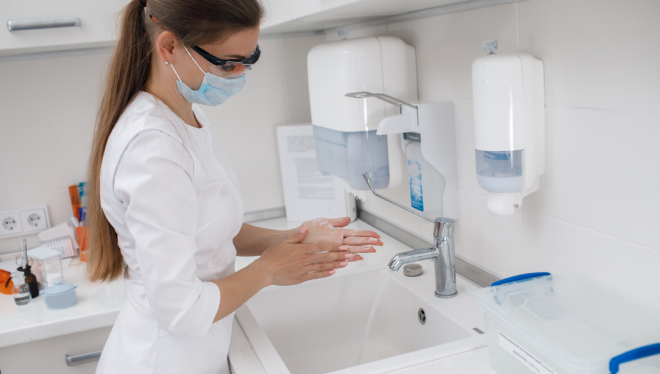
Optimized hygiene protocols: The hospital administration can use simulation modeling to test the efficacy of various hygiene protocols and identify areas for improvement. Hand hygiene and hand washing protocols, for example, can be tracked using RTLS in hospitals.
Improved patient outcomes: Patients are less likely to experience complications or adverse outcomes associated with HAIs if infection is prevented or controlled.
Increased efficiency: RTLS contact tracing can also help hospitals manage their resources more efficiently by providing real-time data on hospital staff movements and interactions.
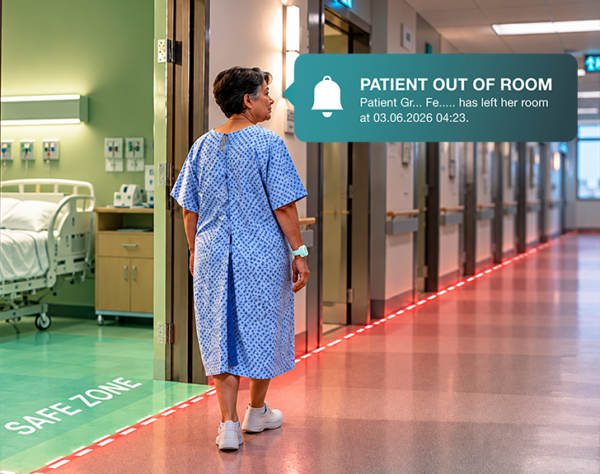
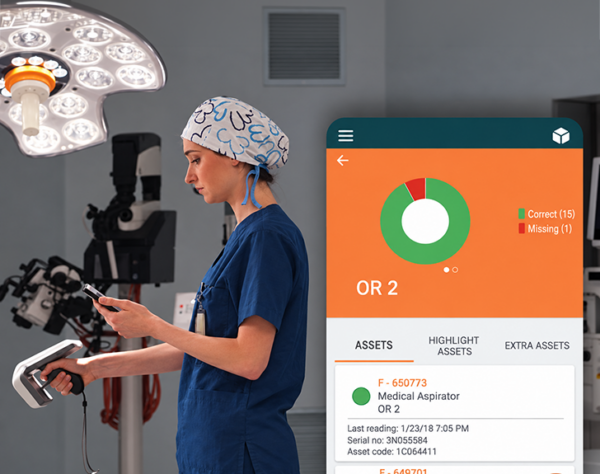
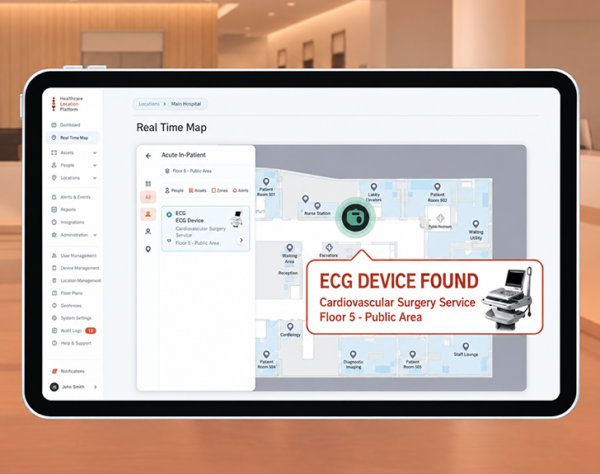
In hospitals, real-time location systems (RTLS) technology can be an effective tool for contact tracing. By tracking the movement of patients, medical assets, and staff within the hospital, RTLS technology can assist healthcare staff in identifying and isolating individuals who may have been exposed to a contagious infection, thereby aiding in disease control.
Get in touch with us to learn more about ”IoT for Healthcare” products and transform your hospital into “operationally aware” facility.
Early Access Before Official LaunchLimited Spots
The 90‑Day No Cost Pilot Program.
Hospital RTLS Asset Tracking with Your Access Points.
Zero new installations. No commitment. Ready within a week.
*By sending your information, you agree to our use of your data in accordance with our Privacy Policy.
December 30,2020